When Should Veterinary Clinics Replace Their Pet Mats? A Safety & Hygiene Guide
Let’s say this upfront: Most veterinary clinics replace their pet

Let’s be honest for a second!
Most people don’t think twice about pet mats… until a dog slips on a stainless-steel table, a cat panics mid-exam, or a grooming station turns into a wet mess. That’s when one question hits hard: “Did we choose the wrong mat?”
Yes!! Because you take the material for granted. Here’s the truth: Pet mat material isn’t a small detail. It’s the foundation of safety, hygiene, and stress-free handling. The right mat reduces anxiety, prevents injuries, protects joints, and keeps workflows smooth.
The wrong one? Slipping, stress, sore backs, and nonstop cleanup.
A major misstep is choosing a mat solely for its appearance or price. Many buyers overlook traction and surface texture, which are critical for pet stability on slick tables.
Another common mistake is ignoring material density, which impacts both joint support for pets and durability over time. Skipping these checks often leads to mats that wear out quickly or compromise safety, turning what seems like a small decision into a long-term headache.
If pet mats were just about comfort, a towel would do the job. But in real-life environments, vet clinics, grooming salons, kennels, and busy homes, mats have to perform under pressure.
Here’s what the right pet mat material actually does:
According to veterinary handling research, pets with secure footing show lower stress behaviours, including reduced trembling and resistance during exam. Translation? A better experience for everyone: pets, staff, and owners.
That’s why professional facilities don’t choose mats based on colour or price. They choose them based on material science.
Not all mats are created equal. Let’s break them down.
If you’ve ever walked into a well-run vet clinic or grooming salon, chances are you’ve seen rubber-based mats in action. Why rubber works so well:
Rubber mats are widely used in veterinary exam tables, grooming workstations, and kennels because they maintain grip even with water, shampoo, or disinfectants present.
Industry insight: Professional grooming and vet facilities prioritize rubber or rubber-blend mats because they reduce slip-related incidents by a significant margin in wet environments.
NoFear Pet Mats use heavy-duty rubber compounds designed specifically for animal handling. Not generic household rubber that hardens or cracks over time. It is best for:
PVC mats are everywhere. They’re waterproof, cheap, and easy to find. But there’s a catch.
Pros:
Cons:
PVC mats work better for low-risk home use, not professional handling where stability matters. And they are best for:
Foam and gel-core mats are champions of comfort. They’re popular for anti-fatigue floor mats where groomers stand for long hours. Why they’re loved:
But here’s the trade-off: They’re not ideal for exam tables because excessive softness can reduce stability for pets that need a firm footing. However, they are best for:
Silicone mats are often used as litter mats or feeding mats. They’re flexible and simple to clean. However, silicone lacks the traction density required for veterinary or grooming use, especially on stainless steel surfaces. Best for:
This is where most people go wrong, choosing one mat for every job.
Rubber mats with:
Stainless steel tables are slippery by nature. A non-slip veterinary exam table mat dramatically reduces anxiety and movement during exams.
Rubber or rubber-blend mats with:
Professional groomers report less pet movement and better control when using dedicated grooming table mats instead of towels or bare surfaces (industry grooming reports).
Anti-fatigue mats with:
These help reduce staff fatigue, which directly impacts service quality and injury prevention.
Let’s talk about sanitation. Or you can say the mandatory factor, one cannot ignore even with closed eyes. Pet mats are exposed to fur, saliva, urine, disinfectants, and bacteria. That’s why non-porous, antimicrobial materials matter, especially in vet clinics.
Key hygiene features that you should look after:
Studies show that porous surfaces can harbour bacteria even after cleaning, increasing cross-contamination risks in clinics.
👉 NoFear Pet Mats are designed to withstand cleaning agents without breaking down or trapping moisture.
Ideal thickness ranges:
One-size-fits-all doesn’t work in professional settings. Custom mats:
NoFear Pet Mats offer custom-size veterinary and grooming mats, eliminating guesswork and improving safety instantly.
If a mat doesn’t list material composition, thickness, and intended use (exam table vs floor)…it’s probably not built for professional environments. Look out for the red flags like:
What professionals choose: Commercial-grade mats designed specifically for veterinary clinics, grooming salons, and animal handling, like those from NoFear Pet Mats.
As we always mention, a pet mat isn’t just an accessory, it’s a safety system, comfort layer, and hygiene barrier rolled into one. When you choose the right material, you will get these perks:
NoFear Pet Mats are built for exactly that: Long-term performance, real-world use, and zero compromises. Explore NoFear Pet Mats and find a solution that actually works, not just one that looks good on day one.
Rubber-based mats with non-slip surfaces and antimicrobial properties provide the best traction, hygiene, and pet stability.
Yes. Stable footing reduces panic behaviours, trembling, and resistance during exams and grooming.
Absolutely. They reduce odour, bacterial buildup, and cross-contamination, especially in clinics.
Measure the full working surface of your table or floor area. Custom-fit mats provide better safety and durability.
Let’s say this upfront: Most veterinary clinics replace their pet
If your clinic or grooming facility has a sanitation SOP
Foam mats look innocent enough. Soft, cushy, and budget-friendly. What
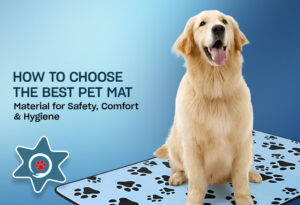
Let’s be honest for a second! Most people don’t think

Picture this: a nervous pup stepping onto a shiny stainless‑steel
Every grooming facility hits this question sooner or later: Do